7 Types of Construction Adhesives and Their Features
In recent decades, many archaeological findings have shown us that our modern inventions and products aren’t that new. In the world of adhesives, the first ever such substance to be used as glue was found in Africa, which is at least some 25,000 years old.
While the adhesives we use today, especially in construction, are much more advanced and adaptable, they still rely on the same concept and unlike backing rods, adhesives can be used in a wider range of applications. That’s essentially because there are also a lot of different adhesives that one can choose from.
Types
Epoxy
When it comes to structural on-site adhesives, the most commonly used ones are epoxy-based. These are two-part solutions that are able to cure from anywhere between 30 minutes and 15 hours. A two-component epoxy adhesive is able to cure at temperatures between 5°C and 40°C, making it ideal mainly for indoor on-site use.
Acrylic
With acrylic dispersion adhesives, you get water-based acrylic esters polymerised in emulsion form. This means that they are able to create a bond even when exposed to plasticisers. Hence, acrylic adhesives in Australia are used to glue together PVC floor tiles and the bond is also able to last anywhere from 10 to 20 years.
Neoprene
Using neoprene contact adhesives in construction, usually for prefabricated panels, fast lines and doors. These solvent-based adhesives need 30 minutes of your time in order to start developing some tack. Their extremely strong bond develops over the course of 12 to 24 hours and the adhesive is also ideal for on-site use since there is no need for clamps when drying.
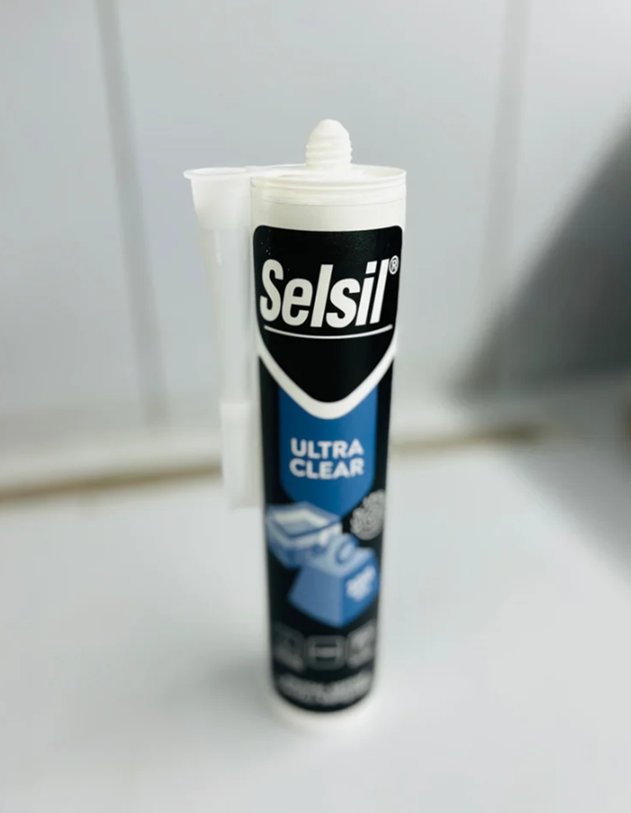
Silicone
Mostly referred to as sealants, silicone adhesives in Australia come in grades that are suitable for the bonding of glass with metal surfaces. This has made them usable for on-site assembly of windows, as silicone is quite flexible and has high peel and shear resistance. Their bond can last anywhere up to 40 years.
Polyurethane
Available in both 1K and 2K, solvent-based and solvent-less formulations, polyurethane adhesives for sale are semi-structural as they have a shear resistance between 5 and 12 MPa. With a curing time between 6 and 24 hours, depending on humidity, joint thickness and ambient temperature, PU adhesives can be used on materials such as rubber, wood, plastic, metal, glass and more.
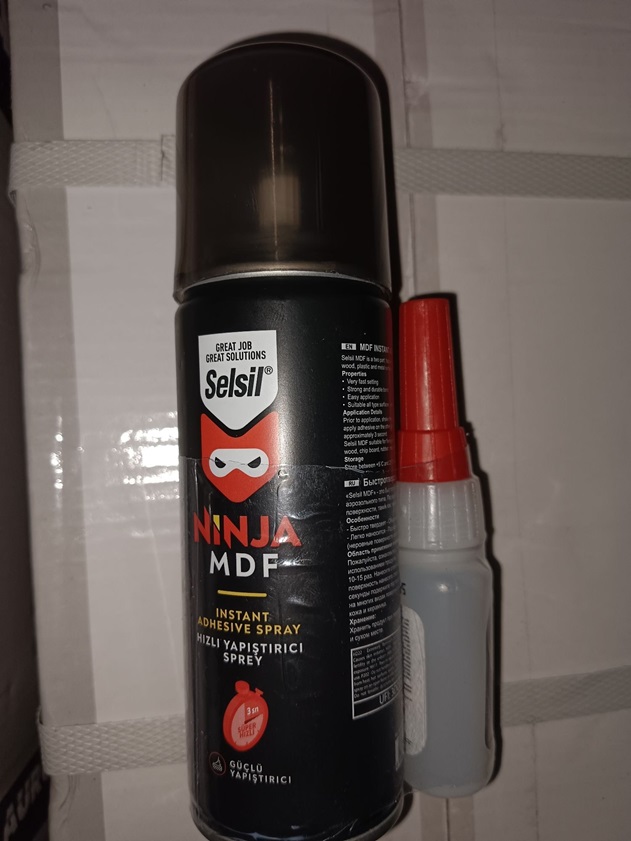
Cyanoacrylate
Better known as super glue, cyanoacrylate adhesives for sale are able to form strong and durable bonds even in the presence of moisture. Its tensile strength reaches up to 275 Bar, however, since it’s not a structural sealant, its applications are quite uncommon.
PVA
White glue or polyvinyl acetate is essentially a rubbery polymer that forms a strong bond as it dries, but with a twist. Its main advantage is that it can seep into the fibres of materials, such as wood. This makes it create a long-lasting bond as it dries and it even expels moisture during the process.
Features
Bond
The bond that is formed after the curing time has passed is essential in order to ensure the pieces you piece together are going to stay that way for a long time. The strength of the bond depends on the type of materials the substrate needs to adhere to, as well as their weight.
Chemical Resistance
If adhesives are exposed to various chemicals, especially if used outdoors, their chemical resistance is quite an important factor in this case. The more acids, solvents, oils and alkalis they’re able to not react with when in contact, the better. But remember, there is no one solution that is safe from all of them.
Temperature Resistance
Another type of resistance to be wary of has to do with the temperature to which the substrate is going to be exposed most of the time. It’s important to go for a solution that has a temperature resistance above the one you need in order to ensure it will endure it for years to come.
Flexibility
While flexible adhesives are seen as more beneficial, they are not always the most fitting solution. More flexible adhesives are usually also more malleable and they also don’t provide as good of a seal in fixed applications. The less flexibility there is, though, the more the adhesives are prone to cracking if there are moving forces acting on them.
Application Temperature
As a general rule of thumb, the on-site application temperature range should not exceed 35°C or go below 5°C. This way you can avoid too short or long drying times, which can lead to improper curing and the bond won’t be as strong or durable as it should.
Cure Time
Talking about cure time, the period during which the full strength of the bond is achieved depends on the type of substrate as well as the environment in which it’s applied. You should account for humidity, temperature, the presence of chemicals and solvents, as well as how prone both surfaces are to porosity and corrosion.
About Author

ben