How to Choose the Ideal Waterproof Cycling Jacket
Rainy weather doesn’t have to put an end to your cycling plans, but having the right gear can help. A good waterproof cycling jacket helps keep you dry and comfortable when the weather turns. The right one isn’t simply the design that keeps water out.
You’ll also want to consider breathability, fit, weight, and how easily the garment can be packed away when the rain stops. Your riding style and the conditions you typically encounter will also influence which features matter most.
I’ll explore what to look for in a jacket, how different designs suit different needs, and how to choose an option that helps you ride comfortably in unpredictable weather.
Main Features to Look For
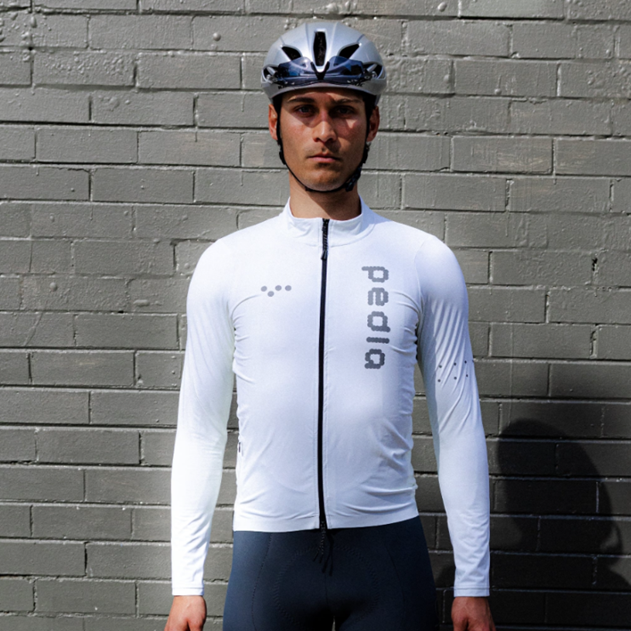
Not all rain jackets are designed with cycling in mind. When you’re riding in wet weather, you need something that keeps the rain out without leaving you sweaty, restricting your movement, or weighing you down. Before buying one, take a closer look at these important features:
- Lightweight, packable construction: Weight matters more than you might think, especially on longer rides. Look for lightweight cycling jackets that are easier to wear over your regular cycling clothes without feeling bulky or affecting your movement. It’s also a much more convenient choice to pack away when the sun comes out. Just make sure the reduced weight doesn’t come at the expense of the waterproof protection you need.
- Reliable waterproofing: Check how well the bicycle jacket handles sustained rain. Waterproof ratings are usually measured in millimetres, indicating how much water pressure the material can withstand before leaking. A higher rating generally means greater resistance to water pressure, although construction and seam sealing also matter.
- Good breathability: Staying dry isn’t just about keeping rain off your skin. You also need cycling jackets that allow sweat vapour to escape, particularly when you’re cycling uphill or pushing yourself on longer rides. Some designs include ventilation openings or panels to help release excess heat and improve airflow.
- A cycling-friendly fit: Look for a cut that accommodates your riding position. A longer back helps cover your lower back when you’re leaning forward, while a shorter front reduces excess fabric bunching around your waist.
- Sealed seams: Even waterproof fabric can let moisture through at the stitching. Taped or heat-sealed seams help prevent water from entering through these vulnerable areas. Pay particular attention to the shoulders, sleeves, and other places exposed to rain.
- Reflective details: Rain, fog, and overcast skies can make it harder for drivers to spot cyclists. Reflective elements on the arms, back, or shoulders help you stand out when light catches them. Brighter colours can also improve visibility during the day, particularly in dull weather.
- Practical pockets: Convenient storage is useful when you’re carrying your phone, keys, or snacks. Look for pockets that are easy to reach while riding, with water-resistant or waterproof zips to help protect your belongings.
The best choice is one that balances these features for your usual riding conditions. If you often head out on long road or gravel rides, low weight and packability may be priorities. For regular commuting in wet weather, dependable waterproofing, visibility and practical storage might matter more.
Windproof vs Waterproof
Is a windproof jacket also waterproof? Although they might look similar, windproof and waterproof bicycle jackets serve different purposes on the bike. A waterproof design is made to keep rain out, making it a good choice for wet rides and unpredictable weather.
A windproof option, on the other hand, blocks cold air from cutting through your clothing, helping you stay comfortable when cycling at speed. These garments are often lighter and easier to pack, so you can carry one in a jersey pocket or packing bags without adding much bulk. They’re particularly useful on cool mornings when you need an extra layer but don’t expect heavy rain.
Some options combine both features, offering wind protection and a degree of water resistance while allowing more airflow through selected panels. These hybrid designs can be a practical option for changing conditions, especially on longer road or gravel rides. If you regularly cycle throughout the year, having a lightweight windproof layer for dry, breezy days and a fully waterproof option for rainy weather gives you more flexibility to dress for the conditions.
Type of Cycling
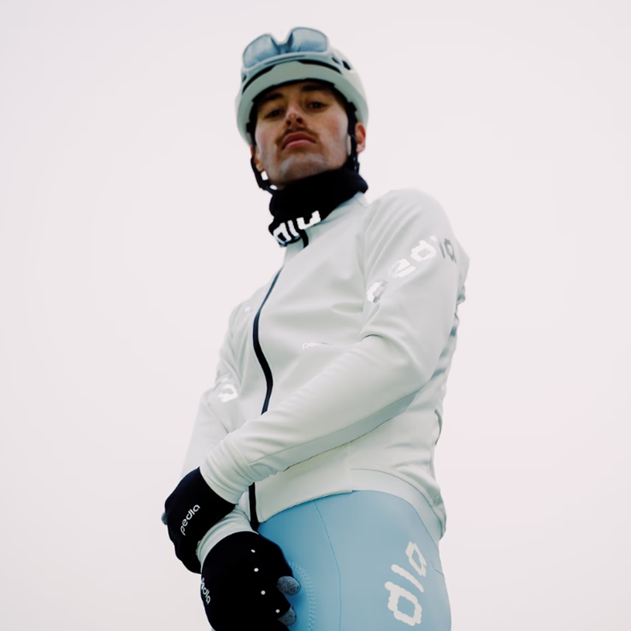
Your usual type of cycling can help you decide which cycling jacket is right for you. Road cyclists often benefit from a close-fitting, lightweight design that reduces flapping at higher speeds and packs down small enough to fit in a jersey pocket. Keeping weight and bulk to a minimum is especially useful on long rides, when you may need to carry the jacket for hours before the weather changes.
Gravel riders often prefer tougher materials that handle mud, splashes, and rougher conditions, while commuters often value durability, practical pockets, and a more relaxed fit that feels comfortable off the bike, too. Think about where you ride most often and how much protection you need before choosing a style.
How to Build Your Outfit
For cold-weather rides, pair your outer layer with a breathable base layer and, when needed, a lightweight insulating mid-layer to stay warm without feeling bulky. Thermal cycling tights, waterproof overshoes, and warm gloves protect you from cold and rain, while a thin thermal cap keeps your head and ears covered. Choose lightweight layers that are easy to adjust or pack away as conditions change, so you can stay comfortable without carrying unnecessary weight on longer rides.
About Author

ben