The Ideal Knitting Checklist for Beginners
Are you looking for a new hobby that’s relaxing, creative, and surprisingly addictive? Knitting might just be it. One of those endlessly trendy crafts that never really goes out of style. Do you want to make cosy winter scarves, baby blankets for friends and family, or simply enjoy a calming way to unwind after work? Knitting can give you all of that and more. The best part? You don’t need much to get started: a few essential tools, a bit of patience, and some yarn magic.
Yarn
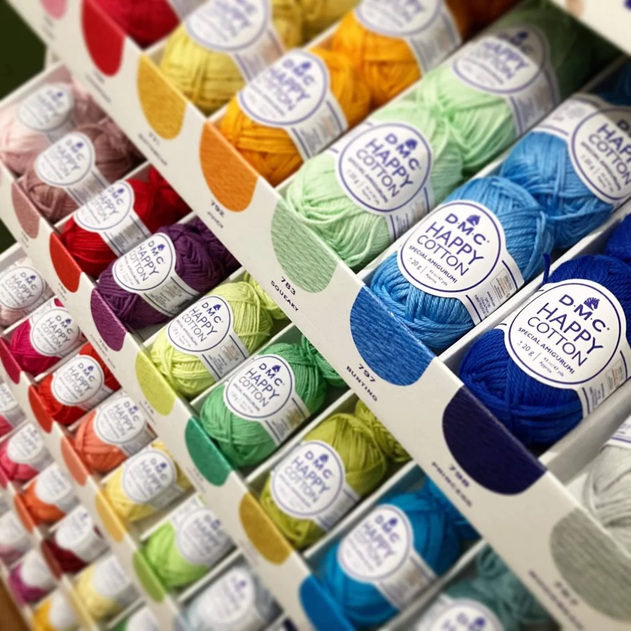
The right yarn for knitting can make all the difference in how your project comes together; it’s the main character in this process. If you’re a beginner, familiarity with the types can spare you frustration and lost time.
What kind of yarn is best for knitting? Yarn comes in a vast variety of fibres, textures, and thicknesses (or weights). The most common ones used are wool, cotton, acrylic, and mixes of these.
Wool is a great all-time favourite because it’s warm, stretchy, and forgiving. It’s convenient to work with if you’re a beginner because mistakes are easy to fix, and it feels great in your hands. Cotton yarn, on the other hand, is airy and cool, wonderful for dishcloths, summer blouses, or light afghans. It is marginally less stretchy, so your stitches will be sharper, wonderful for technique practice.
Acrylic yarn is another favourite for practice projects because it is cheap, easy to care for, and comes in every colour. Blends provide the advantages of several fibres, giving you the wool-like softness together with the acrylic or cotton-like wear-resistance or smoothness.
As a starting point, medium-weight yarn is an excellent choice. It’s neither too thick nor too thin, and you can easily view your stitches and finish projects without too much trouble. Avoid really fine or puffy yarns at the beginning. While they’re pretty, they may make it hard to find mistakes or reverse them.
When buying, check the label to record the weight, recommended needle size, and washing instructions. Most yarns have a little square on the label, usually marked ‘gauge.’ This tells you the number of rows and stitches you will get in 10 cm. It might sound intimidating, but it ensures your finished piece turns out the right size.
Another tip for beginners is to start with light-coloured yarn for knitting. Dark shades can hide stitches, making it tricky to see what you’re doing. And if you’re unsure about how much to buy, always get a little extra; there’s nothing worse than running out halfway through a project.
Needles
Knitting needles are your main gadget, and the kind you work with can make a big difference in your success. Straight needles of wood or bamboo are generally best for newbies as they provide a firm grip, and stitches won’t slip too easily. Metal needles are speedy and smooth, but can be slippery until you gain more control.
Needles come in different sizes and should match your yarn’s recommended gauge. Thicker yarns need larger needles, while thinner ones require smaller ones. Start with mid-sized needles, around 4–5 mm, and you’ll be ready for most beginner projects like scarves or beanies.
Scissors
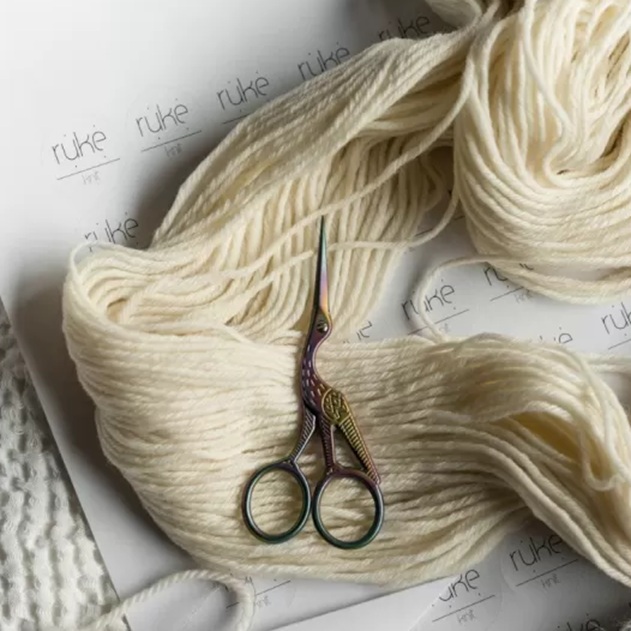
A good pair of small, sharp scissors might seem like a minor detail, but they’re a knitter’s best friend. You’ll use them constantly to trim yarn ends, snip mistakes, or tidy up your finished work. Choose a pair that fits comfortably in your hand and has a pointed tip for precise cutting.
Stitch Markers
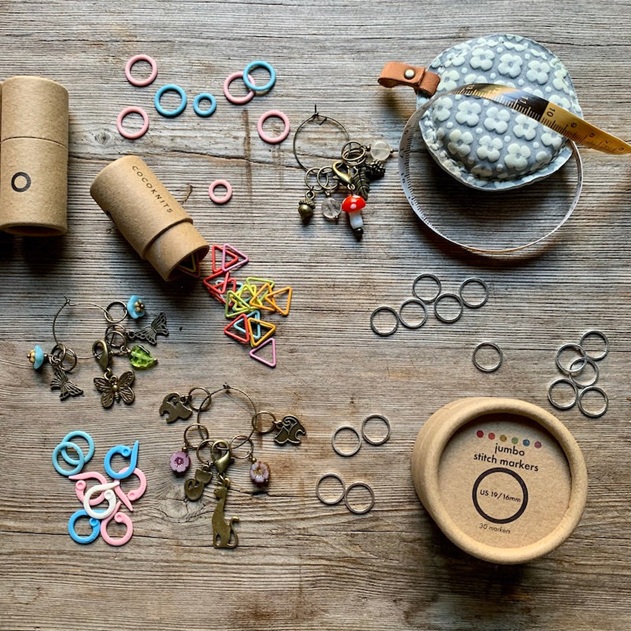
As soon as you start using patterns, stitch markers are a godsend. They’re small clips or rings that help you keep track of where you are in your knitting, where the start of the round is, for example, or identifying pattern repeats. You can buy colourful plastic ones or even make your own using small loops of contrasting yarn.
Measuring Tape
Knitting is more than counting stitches; you’ll also need to measure your way along. A flexible measuring tape comes in handy for keeping track of length and width along the way, especially if you’re using a pattern. It ensures your projects are the right size, which is important if you’re creating garments or fitted pieces.
Row Counters
If you’ve ever lost count of the number of rows you’ve knitted, then you’ll appreciate why row counters are such a blessing. These convenient tools enable you to click or twist to keep you counting as you go. For others, there are digital counters or simple manual counters that rest on the end of a needle. Alternatively, jotting down row numbers in a notebook or using an app is the same thing.
Starting your knitting journey is easier than it looks. With just a few tools, a soft yarn, comfy needles, and some handy accessories, you’ll be ready to create something special with your own two hands. Knitting isn’t just about making clothes or gifts; it’s about slowing down, focusing, and finding joy in the rhythm of the stitches.
About Author

valentina