Keep Your Milk Fresh: Containers, Tips and Freezing Advice
If you’ve spent even an hour on social media lately, you’ve probably seen those fridge makeover videos. Influencers line up their fruits and veggies in neat little bins, pour milk into glass bottles, and make everything look picture-perfect. It’s fun to watch, but if you’re more practical, don’t worry, as you’re not missing out.
Keeping milk in the plastic jug or carton it comes in is no health hazard at all and works just fine for most households. That said, different storage options come with their own benefits.
Best Containers for Storing Milk
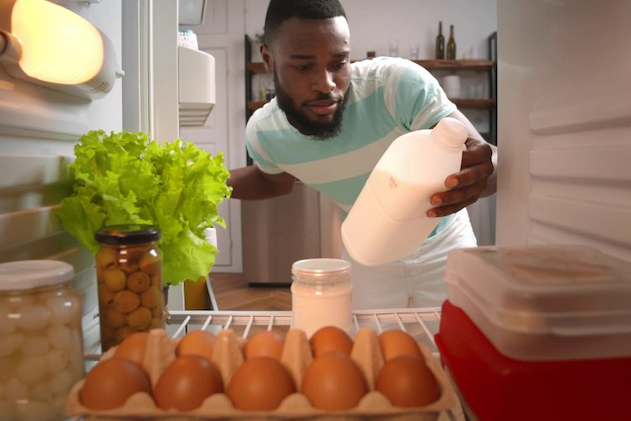
There isn’t one perfect option for storing milk. Each type of container has its own pros and cons, so the best choice depends on your lifestyle. If you prefer to keep your fridge organised with a specific aesthetic and the store-bought container doesn’t fit, you can always find quality milk cartons or bottles designed to look great while keeping your milk fresh.
Glass Containers
Glass milk bottles are the classic choice because they’re natural, non-reactive, and generally considered the safest option. Once you buy milk bottles and start using them regularly, you’ll notice that they don’t absorb other flavours or smells, and your milk tastes fresh and better every time.
They are reusable and easy to clean. You can easily clean them in the dishwasher and decide to repurpose them at any moment. The clear design makes it easy to see how much milk you’ve got left and to notice any signs of spoilage. On the other hand, if you drop your milk bottle, it will probably break, and you’ll have to deal with the mess.
Stainless Steel Containers
Stainless steel, as a material, is strong, durable, and keeps milk colder for longer. This metal resists rust and corrosion, is easy to sanitise and often comes with airtight lids to prevent spills. While they look sleek and modern in any kitchen, stainless steel milk containers can be heavier and may dent if dropped. They are also a bit pricier compared to other milk bottles.
BPA-Free Plastic Containers
Plastic containers may be the most popular option found in stores. They are lightweight, affordable, and easy to handle, which makes them perfect for families who prioritise convenience and don’t want to worry about breakage.
BPA-free options are safer for milk storage as they reduce the risk of chemicals leaching into milk. They’re also transparent, allowing you to easily check the milk level and restock before you run out completely. The downside is that plastic isn’t biodegradable and less eco-friendly, but it’s still a practical option for everyday use.
Cardboard Milk Cartons
If you live alone or enjoy nut-based milk, you most likely buy milk cartons, which are usually smaller, from your local grocery store. Cardboard cartons have one big advantage: they block light, which helps prevent milk from degrading. They’re lined with polyethylene, a material that makes them water-resistant and safe for food contact. While they’re not reusable and less durable than other options, they’re lightweight and practical for short-term storage.
To sum it up, opting for glass is best if you care about sustainability, stainless steel for durability, or plastic and cartons for convenience and everyday use. Pick the option that matches your lifestyle, and you’ll enjoy fresher milk every day.
Milk Handling Tips for a Longer Shelf Life
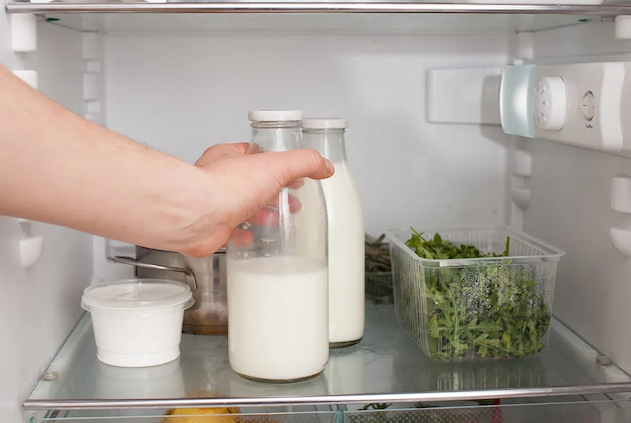
You already know that milk doesn’t last forever, but the way you handle and store it does affect how long it stays fresh and consumable. A few small habits can make a big difference in keeping it tasty for longer. From the moment you grab it at the store to the time it sits in your fridge, here are some easy tips to keep in mind.
- Pick milk last when shopping: Grab your fresh milk and other fridge-stored products once you’re done shopping, just before checkout, so it spends less time in warmer air.
- Check the date: Always choose cartons with the furthest “best before” date and make sure it hasn’t already passed.
- Refrigerate quickly: As soon as you get home, put it in the fridge at a temperature between 0°C and 4°C.
- Use within 3 days once opened: Once you open your milk, you have three days to use it. Smaller containers are better if you don’t drink much.
- Keep containers closed: This prevents milk from absorbing odours and bacteria from other foods.
- Store on shelves, not doors: A typical mistake is storing your bottle on the door, but shelves are colder and more stable.
- Avoid light exposure: Light can destroy vitamins such as D and riboflavin.
- Don’t pour leftovers back: Never return unused milk from a pitcher to its original container.
- Powdered milk lasts longer: If you’re not big on milk, consider buying powdered milk as it lasts up to 6 months unopened, or 1 month once opened. Treat reconstituted milk as if it were fresh milk.
By keeping milk cold, sealed, and away from light, you’ll protect its flavour and nutrients, making sure every glass tastes fresh until the last drop.
About Milk Freezing
If you need to freeze your milk, you can keep it there for up to six months. A few key steps to follow are using airtight, freezer‑safe containers, leaving some space for volume expansion, and adding a date label. When you need to use it, let it melt, give it a good shake, and use it mostly for cooking, baking, or smoothies.
Final Thoughts
At the end of the day, storing milk doesn’t have to be complicated. Whether you stick with glass, stainless steel, plastic, or even simple milk cartons, the best choice is the one that fits your routine and your kitchen. With a few easy habits, you’ll keep your milk tasting fresh and make every sip a little better.
About Author

valentina