Distortion Pedals Explained: A Beginner’s Guide to Killer Tone
There’s just something special about being able to plug your guitar in and turn a knob to get that raw, gritty sound. Distortion pedals are the key to unlocking a million different rock, metal, punk, and even blues sounds. They take the clean signal from your guitar and turn it into something bigger and bolder.
For a beginner, the world of pedals can be intimidating, but don’t worry, this guide will break everything down for you so you can start experimenting with confidence.
What Are Distortion Pedals?
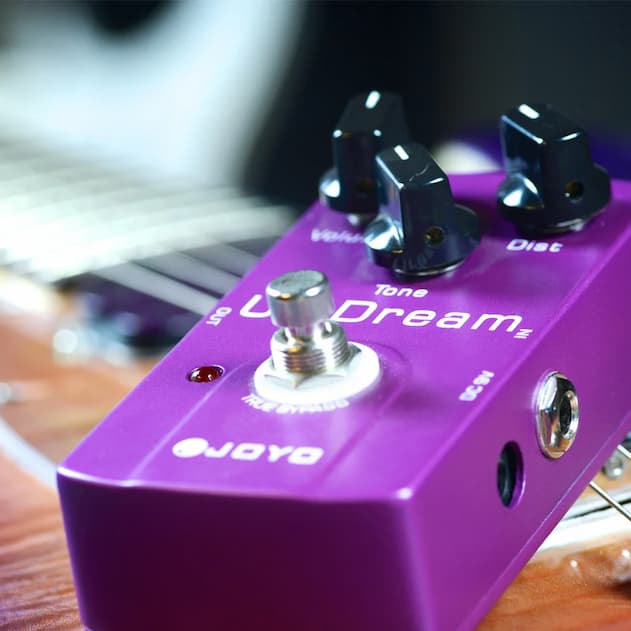
Distortion pedals are small electronic devices that change the guitar signal to produce a crunchy and saturated sound. They simulate the sound of a tube amplifier being driven hard until the valves begin to break up, hence that classic “overdriven” sound. Unlike overdrive pedals, which are generally smoother and warmer, distortion pedals take the sound further, resulting in more sustain, bite, and aggression.
The value of distortion pedals is in their versatility. They can be used to transform a simple chord progression into a powerful sound or a single-note riff into a wall of sound. They are also an excellent tool for tone experimentation without the need for expensive amplifiers. For a beginner, buying the right distortion pedal is the first step into the world of effects because it makes playing an exciting experience right from the start.
Types
There are many types of distortion pedals, each with its own distinct flavour and personality. The traditional distortion pedal delivers the crunch sound featured in so many rock anthems and strikes a great balance between distortion and clarity. High-gain distortion pedals, on the other hand, are the best choice for metal and hard rock musicians. They provide a heavy, distorted sound with loads of sustain, making them perfect for heavy riffs and screaming solos.
There are also fuzz pedals, which occupy their own special niche in the distortion world. Fuzz pedals provide a buzzy, broken sound that is perfect for psychedelic rock or for when you want to add a wild card to your sound. Modern distortion pedals often incorporate features of several styles, making them very versatile for musicians who play multiple styles of music. The great thing about distortion pedals is that there is no one-size-fits-all model; each type has its own unique personality.
What to Consider When Buying
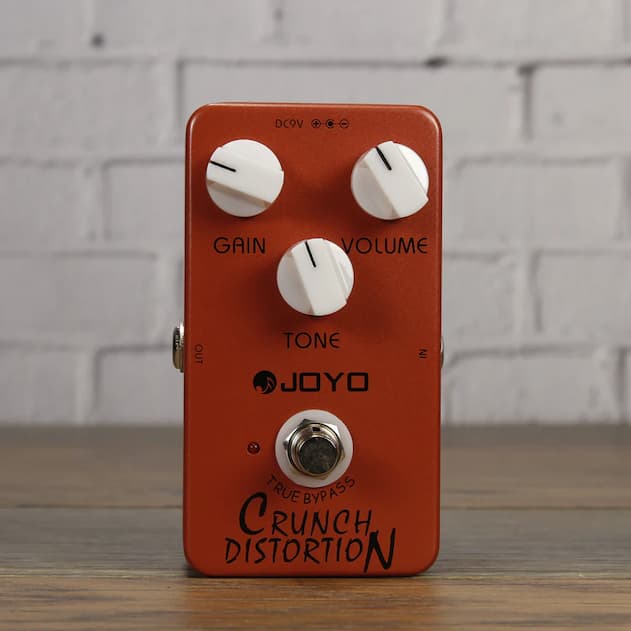
There are a number of things to consider when buying a distortion pedal.
- Tone: Do you want a smooth and warm tone, or something more aggressive and biting? You can listen to online demos of the pedal and see how it reacts to different playing techniques.
- Controls: Most distortion pedals come with gain, tone, and level controls. The gain control determines how much distortion is applied, the tone control adjusts the EQ, and the level control adjusts the output volume. Some distortion pedals also come with additional features such as the ability to adjust the mid-range or switch between different modes.
- Build quality: A distortion pedal should be able to withstand being stomped on repeatedly. Metal pedals are generally more durable than plastic ones.
- Budget: You don’t have to spend a lot of money to get a good distortion pedal. More affordable pedals will give you good sound quality, while more expensive ones will give you more refinement and features.
The benefit of choosing wisely is that your pedal will be a trusted component of your system. It’s not just about spending money on equipment; it’s about finding a tool that excites you enough to play more and experiment with new sounds.
How to Set Up
Setting up a distortion pedal is easy, but there are a few things you can do to get the best possible sound.
First, put the pedal into your signal chain. Distortion pedals are best used early on, right after your guitar, so you can distort the raw sound before adding other effects such as delay or reverb. Simply plug your guitar into the pedal’s input and then plug the pedal’s output into your amp.
Next, set the pedal’s controls. Start with the gain set to halfway, the tone set to noon, and the level set to match your clean sound. Then, experiment until you find the sweet spot. If you want a crunchier sound, turn up the gain. If your sound is too muddy, simply adjust the tone knob to brighten it up.
It’s also a good idea to experiment with how your distortion pedal sounds with your amp. A clean amp will allow your pedal to do all the work, while a slightly overdriven amp will allow you to blend the two sounds for an even richer sound. The best part about pedals is that half the fun is finding new sounds by accident
Distortion pedals are the key to having a killer tone. They take your clean guitar signal and turn it into something bold, expressive, and full of character. Whether it’s classic crunch or high gain madness, there’s a distortion pedal for every musician.
About Author

ben