Types of Dog Kennels: Choosing the Perfect Home for Your Pup
When people hear the term kennel, they often imagine a simple cage or an outdoor enclosure. In reality, dog kennels come in several forms, each designed to serve a different purpose in a dog’s life. Choosing the right one is less about confinement and more about creating a secure, comfortable environment that taps into your dog’s natural instincts.
Dogs are den animals by nature. In the wild, their ancestors sought enclosed spaces for rest and protection. That instinct still exists today, which is why many dogs naturally gravitate toward a crate or covered bed when they want to relax. A well-chosen dog kennel becomes a personal sanctuary. A place where your pup feels calm, safe, and completely at home.
Types of Dog Kennels
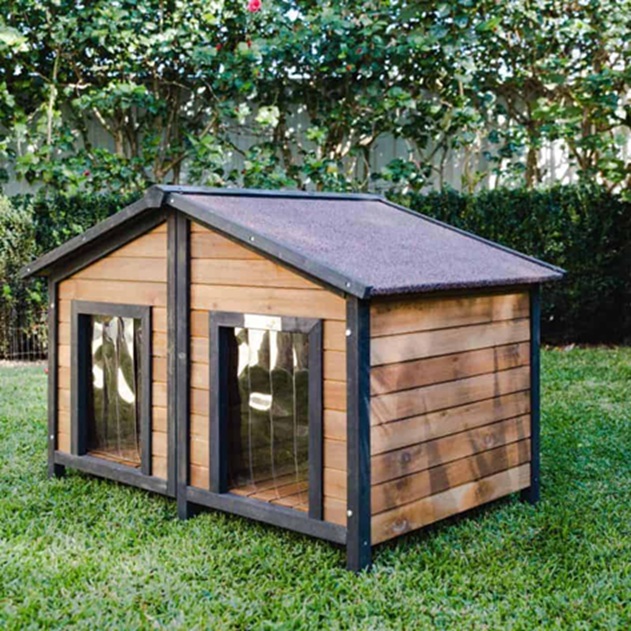
From stylish indoor crates to spacious outdoor runs, thoughtfully chosen dog kennels provide structure, safety, and peace of mind for both pet and owner.
Indoor Crates and Kennels
Wire Crates: Ventilation and Visibility
Wire crates are one of the most popular kennels for dogs, and for good reason. They provide excellent airflow and allow your dog to see their surroundings, which is ideal for social pets that like to stay connected with family activity.
Best for:
- Training and housebreaking
- Dogs that prefer open visibility
- Homes in warmer climates
Many models also include divider panels, making them a practical long-term investment for growing puppies.
Plastic (Travel) Kennels: A Den-Like Retreat
Plastic kennels offer a more enclosed structure, creating a cosy, den-style atmosphere. This makes them a favourite for dogs that experience anxiety or need a quieter resting space. They’re also the go-to option for airline travel because of their durable shell and secure door system.
Best for:
- Nervous or easily overstimulated dogs
- Transport and vet visits
- Creating a darker, calmer sleeping area
Furniture-Style Kennels: Function Meets Design
For pet owners who value aesthetics, furniture-style options blend seamlessly into home décor. These designs double as side tables or console units while providing a comfortable resting space for your dog. They prove that practicality and style can coexist, especially in modern homes.
Outdoor Kennels and Runs
Outdoor enclosures provide safe access to fresh air and exercise, especially for high-energy breeds.
Chain Link vs. Welded Wire
- Chain link: Strong, weather-resistant, and ideal for larger dogs.
- Welded wire: Offers smaller gaps, making it safer for small breeds and preventing climbing or squeezing through.
Both are common in dog kennels for sale, but the right choice depends on your dog’s size, strength, and behaviour.
Roofing Options
- A roof is essential for:
- Shade from harsh sun
- Protection from rain
- Preventing escape attempts from enthusiastic jumpers
- Solid, tarp, and mesh roofing each provide different levels of protection and ventilation.
Portable and Soft-Sided Kennels
Lightweight and foldable, these are perfect for:
- Camping trips
- Dog shows
- Beach days
- Temporary indoor setups
They’re not designed for heavy chewers, but they’re incredibly convenient for travel and short-term use.
Sizing & Ergonomics
The Goldilocks Rule
A kennel should be just right. Your dog must be able to:
- Stand up without hitting the top
- Turn around comfortably
- Lie down fully stretched
- Too small is uncomfortable, while too large can slow down house training by encouraging accidents in one corner.
How to Measure Your Dog
- Measure from the nose to the base of the tail.
- Measure from the floor to the top of the head.
- Add a few centimetres to each measurement for comfort.
Planning for Growth
If you’re buying for a puppy, choose a full-size crate with a divider panel. This allows the kennel to “grow” with your dog, saving money and maintaining consistency in training.
Key Features to Look For
Material Quality
For outdoor use, especially when browsing dog kennels Australia wide, rust-resistant coatings are essential due to exposure to sun and rain. For indoor crates, look for non-toxic finishes and smooth edges for safety.
Security Latches
Some breeds are natural problem-solvers. A secure, escape-proof latch is a must for:
- Huskies
- Border Collies
- Staffies
- Any dog known for testing boundaries
Flooring and Bedding
Comfort plays a huge role in how willingly your dog uses their kennel. Removable trays for easy cleaning, Orthopaedic bedding for senior dogs, aised flooring in outdoor runs for proper drainage
Placement & Safety
Indoor Location
The ideal spot is close to family activities for social comfort. Away from constant noise for proper rest. A living room corner often works better than an isolated laundry room.
Outdoor Positioning
Place outdoor kennels in an area that offers natural shade and protection from strong winds, or an area with good drainage to avoid standing water
Temperature Control
Extreme temperatures can be dangerous. Plastic crates can overheat in warm weather. Outdoor enclosures need insulation or bedding in winter. Always ensure proper ventilation and seasonal adjustments.
A Space to Call Their Own
The right kennel is not a cage. It’s a personal retreat that supports your dog’s wellbeing. When sized correctly, placed strategically, and filled with comfortable bedding, a kennel becomes a place your dog chooses to rest. It’s where they go to relax after a long walk, retreat during a busy gathering, or sleep soundly through the night. In the end, the goal isn’t containment. It’s comfort, security, and creating a happy kennel dog who sees their space as home.
About Author

valentina