Beyond Muscle: A Broader Look at Creatine Monohydrate
You’ve almost certainly heard of supplements that promise more strength, more power, or faster results in the gym. One name tends to pop up again and again, usually wrapped up in conversations about lifting heavier weights or building visible muscle. That reputation didn’t come from nowhere, but it also doesn’t tell the full story. When you step back and look at how this compound actually works in the body, you start to see benefits that go well beyond appearance.
Instead of focusing on size alone, it’s worth looking at how it supports energy, performance, recovery, and even mental resilience. When you view it through that lens, its long-standing popularity makes far more sense.
What Is Creatine Monohydrate?
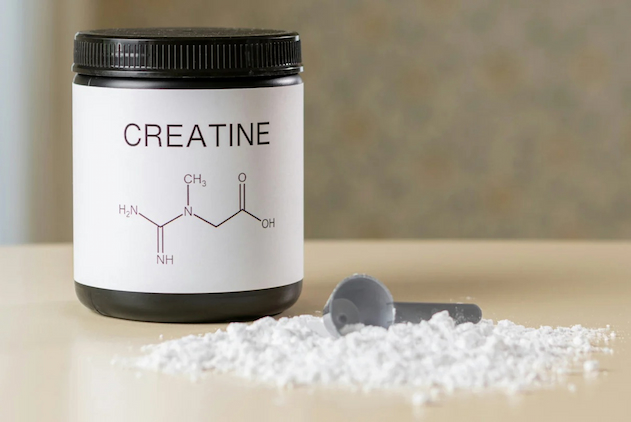
At a basic level, creatine is something your body already understands. You naturally produce small amounts of it, and you also get some through everyday foods such as red meat and fish. In supplement form, it’s paired with water to keep it stable and easy for your body to use.
This form hasn’t earned its reputation through clever marketing or trends. It has stuck around because it has been examined closely for decades. Researchers understand how it’s stored in the body, how it supports energy systems, and why it consistently shows up in performance-related studies. That reliability is exactly why it remains a staple while newer alternatives come and go.
Rather than trying to reinvent the wheel, it does one job very well: creatine monohydrate supplements support the way your body produces and reuses energy.
Energy Production and Performance Without the Obsession With Size

Every time you move with intention, like lifting something heavy, accelerating quickly, or pushing through a demanding task, you rely on a rapid source of energy. That energy comes from ATP, a molecule your body burns through quickly during short, intense efforts. Once ATP levels drop, fatigue follows soon after.
This is where creatine plays its role. It helps your body regenerate ATP more efficiently, which allows you to maintain output instead of hitting a wall too early. You don’t experience this as an instant surge of strength.
Instead, you notice it in how long you can sustain effort and how well you recover between bursts.
In everyday terms, that support can look like
- Holding your pace rather than fading halfway through
- Repeating efforts with less drop in performance
- Feeling more capable during physically demanding moments
These benefits matter just as much outside the gym as they do inside it. Energy isn’t only about workouts; it’s about how well your body keeps up with your daily demands.
Mental Energy Deserves Attention Too
Physical tiredness is obvious. Mental fatigue is subtler, but it can be just as limiting. Long days, constant focus, and poor sleep can leave your brain feeling drained even when your body still has something left to give.
Your brain uses a significant amount of energy, and it stores creatine for that reason. Researchers have explored how this relates to cognitive performance, particularly during periods of stress or sleep deprivation. The idea is simple: when energy availability improves, the brain may cope better under pressure.
You shouldn’t expect dramatic changes, but you may notice that tasks requiring concentration feel more manageable. Focus holds for longer, and mental effort feels less draining. This has sparked interest among people whose days demand sustained attention, not just physical output.
Recovery Is Where Progress Actually Happens
It’s easy to get caught up in effort and forget that progress really happens when your body gets a chance to reset. Every time you push hard—whether in training, a long day on your feet, or intense mental work—your body needs time to restore energy, repair tissues, and adapt. Skipping recovery only slows down improvements and leaves you feeling drained.
One of the most powerful roles of creatine monohydrate is how it supports this process. By helping refill energy stores and maintain hydration inside your muscles, it allows your body to bounce back faster after exertion. You might not notice instant changes, but over days and weeks, you’ll find it easier to maintain energy levels, feel less fatigue, and show up consistently for workouts or demanding days.
Recovery isn’t just a pause between sessions. Recovery is part of how you get stronger, faster, and sharper. Supporting it gives you the freedom to push harder when it counts, knowing your body is ready to handle the next challenge.
Who Usually Finds These Benefits Valuable?

Once you stop viewing this supplement as purely muscle-focused, the range of people interested in it widens considerably. Those drawn to its broader effects tend to care about function and sustainability rather than quick visual changes.
That often includes:
- Active people who value performance and stamina
- Individuals with physically demanding schedules
- People balancing physical energy with mental focus
Beyond these groups, anyone who wants to maintain energy throughout a busy day or improve recovery between intense sessions can notice the difference. Its appeal lies in supporting consistent performance, keeping both body and mind ready for whatever comes next, and helping you feel capable without relying solely on willpower.
Bringing It All Together
For years, this compound has been boxed into a narrow role, often reduced to a symbol of muscle gain. In reality, your body doesn’t separate energy, recovery, and focus into neat categories. They overlap constantly, and support in one area tends to benefit the others.
When you understand how creatine supports these systems, its long-term relevance becomes clear. Beyond muscle, it’s about helping you show up with more capacity, recover with less friction, and maintain performance—physically and mentally—over time.
About Author

valentina