The Ideal Optics for Nighttime Hunting
Many animals in Australia live at the edges of the day. Early mornings and late evenings are when most movement and activity happen. This is why thermal optics are an invaluable tool when hunting in low-light conditions. As visibility drops, your ability to spot and track animals without these devices is severely limited.
When it comes to thermal optics, there isn’t a one-size-fits-all solution. The ideal type for you depends on several factors, like purpose, range, and portability.
Thermal Monoculars
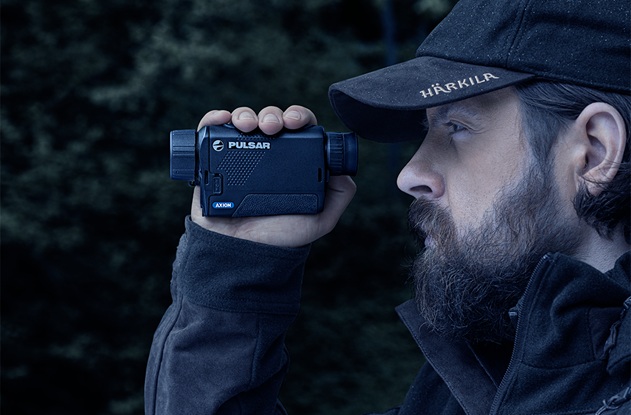
From the vast range of nighttime optics to choose from, accurate and durable thermal monoculars are probably one of the most practical and versatile options. Instead of relying on visible light, they work by detecting heat signatures and converting them into a clear image. This means they perform well in total darkness, as they do at dawn and dusk.
One of the biggest advantages of a thermal monocular is portability. They are compact, lightweight, and easy to carry, making them ideal for people who need to move around rather than stay in one position. Also, they’re practical for hunters who want to scan large areas, as well as wildlife observers who want to spot animals without disturbing them.
Another major benefit of using thermal monoculars is how quickly they help you detect movement. Even in thick bush, tall grass, or low-visibility conditions, animals stand out clearly because of the contrast between their body heat and the surrounding environment.
These hunting optics are also a good choice for beginners because they are easier to use than complex night-vision systems and don’t require additional light sources.
However, like any equipment, they do have a few drawbacks. Entry-level models may have limited detection range, and while they are excellent for spotting animals, they may not always provide enough detail for clear identification at longer distances.
Furthermore, some advanced models can be expensive, so choosing the right balance between performance and budget is important.
Thermal Binoculars
While monoculars are compact and easy to carry, thermal binoculars allow you to use both eyes, which reduces eye strain and makes viewing more comfortable. When scanning large areas for extended periods, the image appears steadier and clearer to read. Instead of quickly spotting movement and moving on, thermal binoculars are designed for more detailed observation and continuous monitoring.
Next, thermal binoculars are suitable in situations where you need a wider field of view and greater image clarity. For instance, you can count on them when observing wildlife at longer distances, monitoring open land, and tracking movement over time instead of detecting it quickly.
Since thermal binoculars offer a more comfortable viewing experience, they are often preferred by more experienced users who spend a lot of time in low-light conditions and want a clearer and more detailed image.
In many instances, these devices come with higher resolution displays, which help with distinguishing animals from their surroundings in more challenging environments.
However, they also have a few drawbacks, like being larger and heavier, which makes them less convenient to carry on long walks. They also tend to be more expensive than monoculars. Next, because of their size, they are not always the best option for users who need something lightweight and quick to use.
Night Vision Scopes
Night vision scopes are another popular option among nighttime optics. They work differently from the thermal devices mentioned above. Instead of detecting heat, they amplify the small amounts of available light (such as moonlight or starlight) to create a visible image.
This means they’re effective in conditions where there is at least some natural light present.
Compared to thermal monoculars and binoculars, night vision scopes provide a more detailed and familiar-looking image, which makes them useful when you need to clearly identify animals rather than simply detect movement.
Because the image appears more natural, they are often preferred by users who want better clarity of shapes, textures, and surroundings. In many cases, they’re also easier to use for people who are new to nighttime optics, since the viewing experience feels more similar to standard optics.
One of the biggest advantages of night vision scopes is their ability to provide clearer detail and a more natural image compared to thermal devices. They also tend to be more affordable than high-end thermal optics, which makes them a good entry point for many users.
Same as the other nighttime optics, they have a few drawbacks. Their performance depends heavily on available light, and in very dark conditions, they may require an infrared illuminator. They are also not as effective in dense vegetation or fog, where thermal optics often perform better.
About Author

ben