Choosing the Right Brake Pads for Your Toyota
There’s a reason why Toyota is Australia’s best-selling car brand. The company has dominated the market with unmatched reliability, quality workmanship, unrivalled value and the country’s largest dealership network. Bulletproof engines, reasonable servicing costs, widespread part availability and models tailored to harsh Australian conditions have lured millions of buyers over the years.
Models have also topped ANCAP ratings in their respective categories. Besides the suite of safety systems (dubbed Toyota Safety Sense), production vehicles are also fitted with factory brake pads known for their exceptional longevity across different driving conditions, consistent stopping power and advanced designs that balance comfort and performance. Both dealerships and independent garages stock Toyota brand brake pads, offered in front and rear pairs or paired with compatible rotors.
When to Replace Your Brake Pads
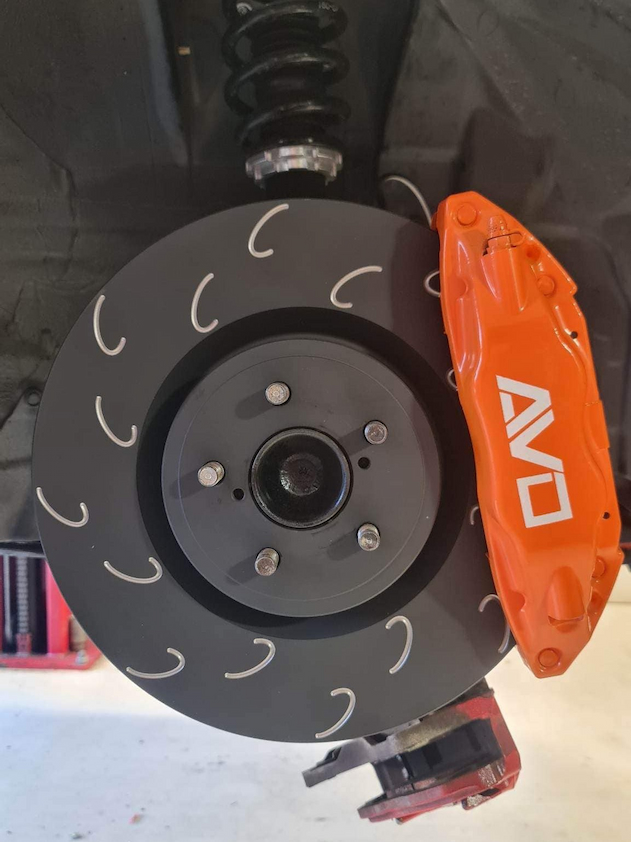
Frequent and hard braking, carrying heavy loads, exposure to high temperatures and corrosive materials and constant stop-and-go urban traffic all affect how Toyota brake pads perform, and how long they last before they need to be replaced. Estimates vary from around 30,000 kilometres in work vehicles such as the Hilux to up to 70,000 kilometres in models like the Camry or Corolla, driven mainly on urban highways. Brake fade, reduced pedal feel and compromised stopping power also depend heavily on driving style, and this can vary significantly between vehicles. To ensure safety at all times, have the brake pads, discs and brake fluid checked at regular servicing intervals. Be especially wary of the following warning signs:
- High-pitched squealing noises: Consistent squealing or grinding noises when pressing the brake pedal mean the built-in wear indicator is scraping against the disc. This means advanced wear with the pads getting too thin.
- Friction-material thickness: Physical inspections will reveal how much remnant friction material there is. New Toyota pads typically have 9 mm or 10 mm of friction material for worry-free braking. When this falls to 3 mm, it’s time to replace the pads.
- Vibrations: Shaking or vibrating brake pedals, along with a juddering steering wheel under braking, can indicate warped brake discs or uneven brake pad wear.
- Longer stopping distances: If your Toyota takes longer to stop than usual, a brake inspection is necessary. Often, the cause is dangerously thin pads that struggle to slow the vehicle down or bring it to a safe stop.
- Vehicle pulling left or right: This is caused by uneven wear in opposing pads, often from issues with the callipers and pistons that engage the pads against the discs. Often, this is transferred to the tyre treads.
Key Features of Toyota Branded Brake Pads
Toyota uses genuine brake pads, produced specifically for Toyota by affiliate companies like Aisin and Akenobo, then branded under the Toyota name. These are primarily non-asbestos organic (NAO) varieties commonly found on passenger cars like the Camry and Corolla, or composite ceramic and semi-metallic types seen in SUVs (the RAV4 and Kluger), utes (the Hilux) and 4x4s (the Land Cruiser and Prado). The aim is to balance quiet operation, low rotor wear and consistent braking performance.
Factory pads have integrated wear shims, angled chamfers to reduce noise and centre grooves to dissipate heat in hard braking. Compounds are also designed to produce minimal brake pad dust and prevent disc corrosion. And take into account vehicle size and weight and intended use. Passenger cars used solely on the street gravitate towards softer compounds for reduced noise, good actuation and pedal feel and short stopping distances. Larger and heavier work and off-roading vehicles go with improved brake fade resistance to handle the extra weight, as well as higher-friction formulations intended for towing, hauling and lasting durability in extreme heat.
Choosing the Right Pads for Your Vehicle
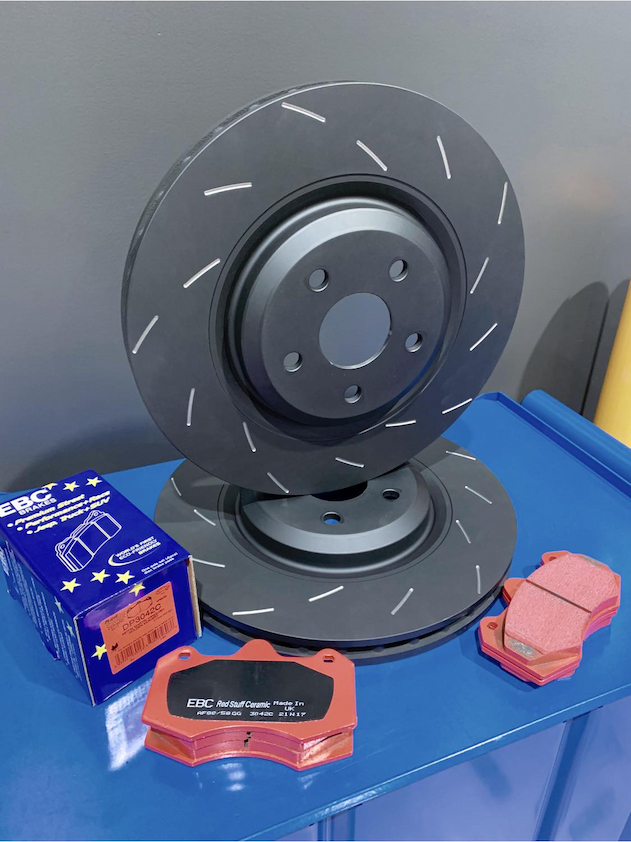
Buying original Toyota brand brake pads offers multiple advantages. First, there is the guaranteed fit and compatibility for your model and trim. All pads are designed according to strict Toyota specifications, meaning they pair seamlessly with the callipers. Replacement pads also ensure the same brake feel, vehicle control and stopping distances as when the car was new. Moreover, parts and pads are usually covered by a 12-month warranty, ensuring peace of mind.
With that said, there is often a slight premium when purchasing pads directly from certified service centres and authorised dealerships, partly due to higher labour and installation costs. However, this also reduces the risk of counterfeit products in the market that may carry the Toyota logo. Genuine parts are subject to strict testing and quality control standards designed to meet Toyota’s safety and performance requirements across each model range.
OEM Toyota brake pads are the recommended choice for cars still under warranty. For older vehicles, consider the quality offerings from local Australian brands like Bendix and RDA, which, besides pads, also produce matching front and rear discs for all Toyota models sold in Australia.
About Author

ben