A Buyer’s Guide to Choosing the Ideal Coffee Table for Any Home
The right coffee table does more than hold drinks and remote controls. It creates a practical hub for everyday living, improves traffic flow, adds storage or display space, and visually anchors the seating area. Many living rooms can feel cluttered, cramped, or visually unfinished because the table is either too large, too small, or simply disconnected from the way the room is used. So, how to choose a piece that improves both functionality and appearance without wasting space or budget?
Exploring Material Options
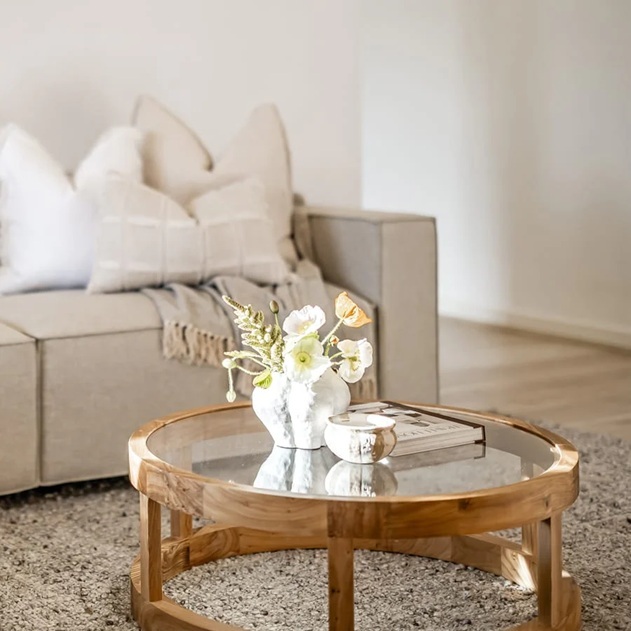
Turn your lounge room into a sophisticated focal point with a designer coffee table crafted to make a lasting impression. Modern designs often showcase a mix of natural and contemporary materials, allowing homeowners to balance aesthetics with practicality.
Timber: Warmth and Timeless Appeal
Timber remains one of the most popular choices for designer coffee tables, and for good reason. Its natural grain patterns add character and warmth to living spaces, making a room feel inviting and comfortable. Whether paired with minimalist interiors or more layered décor styles, timber offers remarkable versatility.
Modern collections for upgrading your space often feature solid wood or timber veneers in finishes ranging from light oak tones to rich walnut shades. Lighter woods create a relaxed, airy atmosphere, while darker finishes add depth and sophistication. Tables made of timber are also durable and can age beautifully when properly maintained, making them a long-term investment for many homes.
Stone and Marble: Sophisticated Statement Pieces
For homeowners seeking a luxurious focal point, stone-inspired coffee tables deliver an undeniable visual impact. Natural stone, marble, and sintered stone surfaces have become increasingly popular in contemporary interiors because of their refined appearance and exceptional durability.
Stone tables bring texture and substance to a room, often becoming the centrepiece around which other furniture is styled. Their solid construction makes them highly resistant to everyday wear, while unique veining and patterns ensure no two pieces look exactly alike. These materials work particularly well in modern, minimalist, and high-end interiors where clean lines and premium finishes are valued.
Glass: Light and Spacious
Glass coffee tables are ideal for creating a sense of openness. Their transparent surfaces allow light to flow through a room, making smaller living areas appear larger and less cluttered.
Modern coffee tables made of glass are frequently combined with timber, metal, or stone bases to create visual contrast and added interest. Tempered glass options provide durability while maintaining a sleek, contemporary look. Because they occupy less visual space, glass designs are particularly effective in apartments and compact living rooms where maintaining an airy feel is important.
Metal and Mixed Materials: Contemporary Character
Metal coffee tables bring a clean, architectural quality to modern interiors. Steel frames, powder-coated finishes, and sculptural metal bases introduce an industrial edge while offering excellent strength and stability.
Many contemporary designs combine metal with timber, stone, or glass surfaces. These mixed-material options create layered visual interest and help bridge different design elements within a room. The combination of textures can make a space feel more curated and sophisticated without overwhelming the overall aesthetic.
Getting the Right Size
Selecting the right size is essential for creating a living room that feels balanced, comfortable, and easy to navigate. A coffee table that is too large can overwhelm the space and restrict movement, while one that is too small may look out of place and provide insufficient surface area for everyday use.
As a general guideline, a designer coffee table should be approximately two-thirds the length of your sofa. This proportion helps maintain visual harmony while ensuring the table is accessible from most seating positions. Height is equally important. Ideally, the tabletop should sit at the same height as your sofa cushions or slightly lower, making it convenient to reach drinks, books, and decorative items.
Selecting the Best Shape
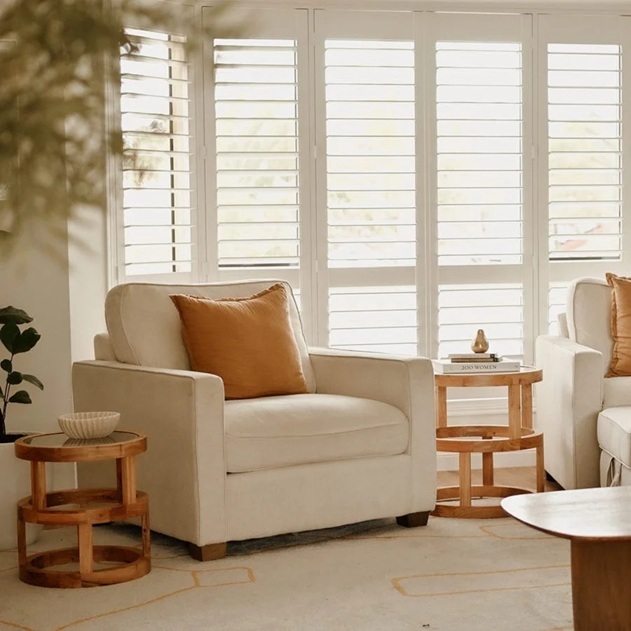
The shape of a modern coffee table plays a key role in both functionality and visual flow. Rectangular designs are a classic choice that works well with standard sofas, providing ample surface space for everyday use.
Round and oval shapes help soften rooms filled with straight lines and are ideal for households with children, thanks to their lack of sharp corners. Square coffee tables suit larger seating arrangements, while organic and sculptural shapes can create a modern focal point.
When choosing a shape, consider your room layout, available space, and how people move through the area to ensure comfort and balance.
Matching Your Interior Style
A coffee table should do more than serve a practical purpose; it should complement the overall style of your living room. Choosing a design that aligns with your existing décor helps create a cohesive and polished look.
For modern interiors, sleek designs with clean lines, minimalist silhouettes, and refined finishes work particularly well. Natural timber pieces are ideal for Scandinavian and coastal-inspired spaces, bringing warmth and an organic feel to the room.
However, if your décor leans toward luxury, stone or marble-look surfaces can add sophistication and visual impact. Industrial interiors, on the other hand, often benefit from tables that combine metal and wood elements, while minimalist spaces favour simple forms that avoid visual clutter.
Pay attention to details such as colour, texture, and material. A coffee table that echoes other furniture pieces or decorative accents will feel intentionally chosen rather than added as an afterthought.
About Author

valentina