Formula 1 Model Collecting: Everything You Need to Know
For motorsport enthusiasts, collecting Formula1 model cars is more than a hobby. It’s a way to own a piece of racing history with replicas that capture the precision engineering, aerodynamic evolution and iconic liveries of different eras. By balancing technical accuracy with motorsport nostalgia, each F1 model allows fans to preserve legendary championship moments and connect personally with the greatest achievements in motorsport.
The Basics of F1 Model Cars
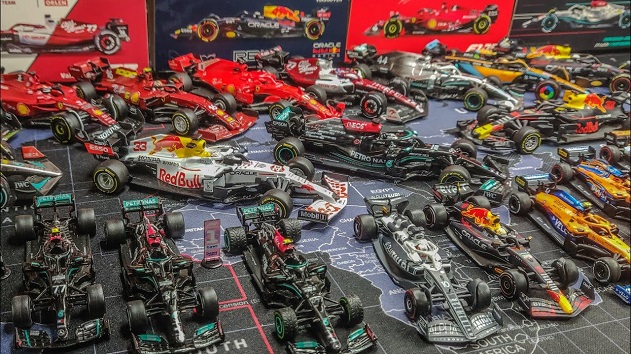
Formula 1 model cars are intricate miniature replicas of racing vehicles. These can be exact model replicas that meticulously recreate vehicles with museum-level precision, collector F1 car models in limited production runs with unique historical significance and display models that are simplified representations created primarily for visual appreciation. Cars also differ by scale, realism, and the materials and details that go into their creation.
Understanding F1 Car Model Scales
Scale in F1 car models determines the proportional size of the replica compared to the actual Formula 1 vehicle. Common options include:
- 1:18 Scale: These are prized collector centrepieces, spanning roughly 25 to 30 centimetres, and with enough room for accurate bodywork, cockpit detail and sponsor graphics. They precisely mirror the engineering sophistication that goes into the real cars.
- 1:43 Scale: Measuring roughly 10 to 12 centimetres, F1 car models in 1:43 scale are the industry standard for larger collections, balancing fine details such as authentic liveries and cockpits with a more manageable, compact size.
- 1:64 Scale: With dimensions of 7 to 9 centimetres, these are the most affordable choice for larger collections, allowing collectors to build extensive F1 grids at a budget-friendly price point.
- Despite common misconceptions, scale does not determine realism or quality. This is largely left to model car manufacturers. Moreover, replicas in the same scale can vary considerably in size, considering the larger dimensions of current F1 cars compared to vintage vehicles.
Why Materials Matter
F1 model cars can be categorised by their manufacturing materials, with diecast or resin options. These primarily differ in material, weight, detail, and production scale.
Diecast models are made from molten metal, providing a heavy, durable feel and often featuring opening parts or working steering. Typically, they are mass-produced, often as more affordable options, though they can sacrifice finer details.
By contrast, resin F1 models are produced from liquid polyurethane, resulting in lower weight but superior exterior details, such as carefully modelled aerodynamics. While diecast models provide longevity and moving parts, resin cars capture more of the intricacies that have defined F1 cars throughout the years, albeit at a higher price point.
Key Features and Details
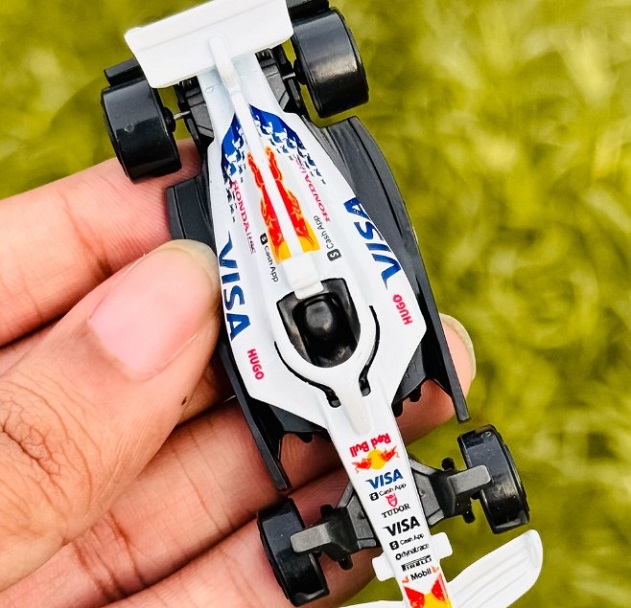
Crafting an authentic F1 car requires precision and attention to minute details. This separates exceptional collectibles from everyday replicas. Manufacturers invest time and effort in comprehensive research, engineering and artistic interpretation to capture the essence of F1 vehicles that have left their mark on motorsport history.
Key features that elevate a model car’s appeal include:
- Cockpit accuracy: Look for finer cockpit details, such as Intricate steering wheels, legible button layouts, fabric seatbelts, and photo-etched metal buckles.
- Aerodynamic components: Models with precision-cut front and rear wings, sculpted nose cones, contoured underbody venturi tunnels, streamlined sidepods and realistic engine covers are just a few components that speak volumes about the evolution of aerodynamic engineering.
- Tyres and rims: Select models that replicate authentic rubber compounds and include correct manufacturer lettering and logos.
- Team livery and decals: High-end brands benefit from team and sponsor licensing, meaning accurate colours, brand logos and authentic sponsor placement. High-detail kits also use ultra-thin printed film or pad-printed, etch-plate decals for superior consistency, precise alignment and durability.
Brand Selection
Formula 1 scale models vary significantly in materials, detail, finish, and collector value due to the wide selection of available brands. High-end manufacturers enhance realism by updating minor mid-season details, such as revised liveries and circuit-specific aerodynamic setups, alongside precision paintwork, accurate sponsor logos, and minute car variations.
Market options generally divide into distinct pricing tiers. Budget-friendly choices like Bburago centre on current Formula 1 cars from leading teams—including Ferrari, Red Bull, Mercedes-Benz, and McLaren—offering diecast models predominantly in 1:43, 1:64, and 1:18 scales. Mid-tier options from collector staples like Solido, Mini GT, and Hot Wheels deliver heightened realism, accurate liveries, detailed cockpits, and rolling rubber tyres.
For the highest level of craftsmanship, premium lines from Spark and BBR stand out. Spark specialises in resin-cast miniatures covering the entire modern grid and historic championship cars, primarily in 1:43 scale with a growing 1:18 range, featuring complex aero elements, visible carbon fibre weaves, and sealed bodies.
BBR serves as a premier choice for Ferrari enthusiasts, providing ultra-detailed resin builds with automotive-grade paint quality and authentic cockpit precision. Both brands are aimed at discerning collectors looking for exclusivity with limited production runs, one-off race liveries and high-value display pieces.
About Author

ben