How to Choose the Ideal Roof Rack for Your Ford Ranger
Ford has been killing it in Australia, with the Ranger carrying the title of the country’s best-selling car for 2025. With close to 50,000 sales thus far, the ute appeals with its rugged workhorse durability, willing yet frugal engines and all-round versatility. A refreshed interior, a long list of comfort and safety additions, tons of space and almost car-like handling make this the vehicle for both tradies and families, especially considering the decent pricing.
The Blue Oval has offered buyers a swathe of choices in terms of drivetrains, engines and trims levels to suit different needs. Moreover, Ford has never been shy about accessories, allowing drivers to maximise protection, space, practicality and looks. Mind, the aftermarket hasn’t been far behind, with additions like durable and long-lasting Ford Ranger roof racks, bull bars, trays, canopies and suspension upgrades the biggest sellers.
Why Roof Racks for Your Ranger?
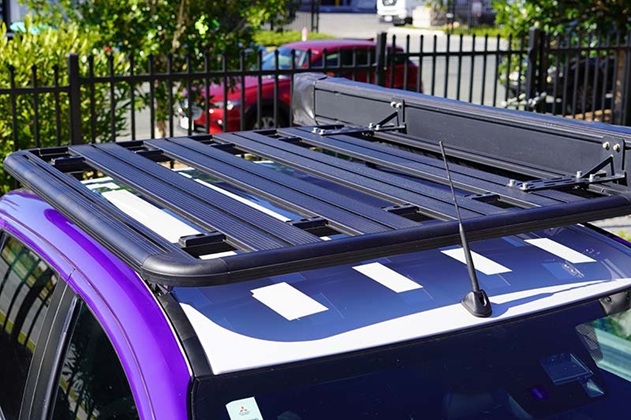
With adequate space for a Euro pallet, the dual-cab Ranger’s tub falls square in the middle for space. If you want more, Ford offers the Platinum and Wildtrak X trims with standard rack systems, albeit at a hefty premium over lesser trims. With that said, carrying more than the 1.22 cubic metres means you’ll be using the roof and an appointed rack for longer and heavier items. Well-built aftermarket racks undercut Ford’s offerings by some margin, while also meeting high standards for build and carrying capacity. Choose these if you also need:
- Increased interior space: Spare the tub and tray of wear from big and bulky gear, reduce cabin clutter, and avoid damage to the doors, seats, footwells and trim. Roof racks also prevent scratches and scuffs, keeping the cabin and tubs in pristine condition. They also ensure proper organisation, with all items safely tied down.
- Improved safety: Freeing tubs and trays from long and awkward items reduces noise and rattling, and prevents the likelihood of items falling out, thereby risking your own and the safety of others. With gear higher up, there’s also significantly better visibility front and back.
- Optimised weight distribution: Tools and off-roading necessities can get heavy and affect how the Ranger drives, specifically with the steering. Avoid handling and suspension issues with racks that spread the weight of bigger equipment evenly along the roofline.
- Practicality and convenience: Roof racks are the foundation for aftermarket additions like light bars, driving lights, antennas and CB radios. They free up space from the front bull bars and at the back without having to resort to sports bars. Moreover, they’re a perfect mounting point for camping essentials, including awnings and roof-top tents, fitting securely to the raised rails.
Racks to Meet Your Needs

The abundance of aftermarket roof rack options means you can get racks in several designs and sizes to suit different needs and different cab styles. More popular options, especially if you’re into sports, are platforms. These attach to the Ranger’s roof via track-mounted systems or clamps with models fitted with factory rails. Platform racks offer a large, flat and versatile loading area ideal for a variety of gear. They feature several tie-down points to securely transport all items. The lower profile additionally provides good stability on uneven ground, with reduced wind noise a bonus.
Baskets are another popular choice, particularly for smaller items. Like platforms, basket racks are built around a sturdy mesh base with multiple cross members for added security. However, they differ in that they have raised rails on all sides, meaning more versatility for camping and off-roading. The numerous tie-down points also mean that spare tyres, tool boxes, jerry cans and camping equipment stay put regardless of where you’re driving.
Lastly, for single-cab Rangers, consider hybrid tradesmen racks, with raised rails along the length. These meld practicality for longer items such as timber and ladders, and convenience for pitching a tent or adding work lights without encroaching on your ute’s legal gross vehicle mass.
Main Buying Considerations
As with all Ford Ranger accessories that boost performance or add more in the way of space and practically, compatibility is key. The main buying considerations when browsing the assortment of aftermarket Ford Ranger roof racks are size, materials and overall loading capacity. Sizes are determined by your ute’s cab type, with the longer roof line in dual cabs fitting a Ford Ranger rack extending up to 2000mm. Single cabs are mostly limited to 850mm in length. Both designs can fit racks no wider than 1500mm, ensuring a clean and secure fit to the factory mounting points.
Materials determine strength and durability. Go with aluminium for a balanced mix of strength, low weight and minimal maintenance. The material is also rust-resistant even without coatings, so it retains its good looks for longer. Where outright strength is a necessity, consider steel. This does well with heavier and bulkier items, reducing scuffing and scratches when off the tarmac. Look to treated stainless steel to offset corrosion and staining in bad weather.
Lastly, loading capacities ensure you can safely transport goods of a defined weight. Bigger racks top out at 100 kilos, exceeding the manufacturer’s 85 kilos for the roof load limit. For peace of mind, consider a professional fit and racks that meet strict ADR regulations.
About Author

ben