How to Choose the Ideal Wine Bottle for Your Home Winemaking
When it comes to winemaking at home, every detail must go according to plan. From the freshness of the grapes to the quality of your fermenter, every step of the vast brewing process must be in order. Your homemade wine needs to be top-quality, whether it’s for sale or just personal pleasure.
The bottle packaging is more than just aesthetics. It affects your wine’s aging, taste, and overall appeal. Every detail, from the colour of the glass to the shape of the bottle, shapes how your final product is presented. Because, at the end of the day, appearance is everything.
In this guide, we’ll show you how to store your hours of devotion in high-quality, durable bottles for longevity and protection. Because, the wine bottle glass you choose has a large effect on the final aroma of your wine.
Why Choosing the Right Wine Bottle Matters
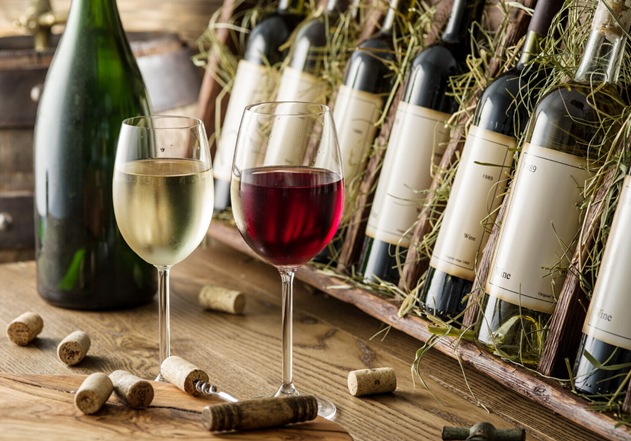
A wine bottle isn’t just a powerful branding tool. It’s a way to preserve the quality and taste of your wine. The first thing a person’s eyes land on when seeing a product is its packaging. From the colours and the shapes to the text written on it, you imagine how it will look displayed in your home.
For wine, the bottle is more than just a display. The first thing you must consider is the size of your bottle. The classic wine bottle size is 750ml. It’s elegant and carries universal appeal, perfect for a drink at the dinner table or a gift for a close friend. However, if your batch is smaller or larger, and you still want to store it in an appropriate number of bottles, you can always go a size up or a size down.
The colour of your wine bottle glass affects how your wine oxidises and how well it preserves aroma and taste. Darker shades of glass are used for darker wines, offering UV protection and slower aging. On the other hand, lighter glass colours are used to display white wines or rosé, showcasing the wine’s colour as a packaging decoration.
A factor to consider while packing your wine that may not seem important at the moment, but could be useful later, is the eco-friendliness of the bottle. You should aim to use fully recyclable materials that align with sustainable practices. At last, think of your lid. How will you close the wine bottle? A cork? Screw, cap, or maybe pilfer-proof lids? Your wine’s closure depends on your aesthetic, technical, and storage needs. A tighter closure leads to longer-lasting wine.
Types of Wine Bottle Shapes and the Message They Convey
Wine bottles are a lot like people. Different shapes and sizes, with a variety of interiors. Every wine bottle tells a different story, not just about the wine it holds, but also about what its appearance offers. Tall, graceful, and eye-catching, the purpose of these liquid containers we know today is to preserve the flavour of the wine, as much as it is to look pretty in a wine cellar. However, in this section, we’ll focus specifically on the most common wine bottle shapes, their aesthetic appeal, and the message they convey.
- Bordeaux/Claret bottle: The most popular wine bottle award goes to… Bordeaux. Its characteristic, straight-sided, tall look is used to store red wines. This bottle shape is probably the one your waiter will bring to the table in a fancy restaurant. This bottle shape is characteristic of wines and is a classic choice for storing homemade wine.
- Burgundy bottle: Introduced in the 19th century, the Burgundy bottle is recognised for its sloping shoulders and wide bottom, typically used to store white wines or Chardonnay. You can usually find this bottle in a deep green shade or a classic clear glass to showcase the wine’s natural colour.
- Hock bottle: Originating in Germany, hock bottles are known for their tall, slender shapes, with long necks for a delicate appearance. These bottles are used to store wine that needs to preserve its flavour for a longer period, or just to make your wine cellar more appealing to the eye.
- Special bottles: Of course, although characteristic of wines, these shapes aren’t all there is of wine bottles. If you want to be unique and bring something one-of-a-kind to your next batch, choose a glass bottle that’s entirely out of the box, such as a Tokaj or Provence bottle.
The Importance of Bottle Glass Colour for Your Next Batch
When a glass bottle comes in different colours, there is always a reason behind it. Sometimes the colour of the glass and the liquid it holds just suit each other well, and at others, the colour serves a protective purpose. Winemakers need to decide their ultimate goal for their new batch, and then choose the colour of the bottle they will later store their wine in.
The most important aspect winemakers must consider is protection. You have worked long and hard to finish your product, and you don’t want to spoil all of your hard work over a simple mistake. Darker shades of glass, such as green or amber, offer UV protection. Because wine is extremely sensitive to sunlight and LED lighting, even an hour of exposure can ruin the hard-earned flavour.
If you plan to store your wine for a longer period before drinking, go for a darker wine bottle. Clear bottles are commonly used to display the natural colour of wine, especially white wines and rosés. These bottles are great if you want to show off your product and plan to drink it sooner rather than later.
Tips for Storing and Displaying Your Bottled Wine
Because wine is a delicate alcohol, the way you store it can greatly affect its flavour and aroma. The correct storage conditions protect your wine from harmful sunlight and heat, preserving its quality and letting it mature naturally.
The most important factor is to store your wine in a dark place. If you don’t have a wine cellar, aim for a storage closet or a cupboard that doesn’t let sunlight seep through any cracks. Warmth can damage the complex flavours of your wine. You should store your wine in a space that doesn’t get any warmer than 15 °C for red wines, and 13 °C for whites.
If your wine is sealed with a cork, ensure the storage you choose is humid to add natural moisture to the corks, preventing oxidation and spoilage. Storing your wine vertically is fine if it’s only for a couple of weeks at most; longer periods of time risk cork shrinkage.
The ideal storage for wine is a dark, cool wine cellar with natural humidity. Because wine is specific, a small miscalculation in temperature or an incorrect storage position can ruin the flavour.
Conclusion
In the end, homemade winemaking is a fun and timely hobby. After you’ve worked long and hard to achieve the specific complexity of flavour you’ve been aiming for, you don’t want something as simple as a bottle to spoil it. For that, choose a bottle that doesn’t just sit nicely on a shelf, but one that will protect your product and keep its complex flavour for years to come.
About Author

ben