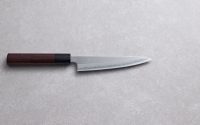
Slice like a Pro: A Buyer’s Guide to the Ideal Culinary Knife
From slicing ripe tomatoes without crushing them to breaking down a whole chicken with confidence, the right knife makes every task smoother, safer, and more enjoyable. It’s not just a tool; it’s an extension of the chef’s hands, shaping ingredients with precision, enhancing efficiency, and elevating the entire cooking experience.
Understanding the role of culinary knives, however, means appreciating how each blade is crafted for a purpose, contributing to better technique, cleaner cuts, and ultimately, more flavourful and beautifully presented meals.
The Essential Knives Every Kitchen Needs
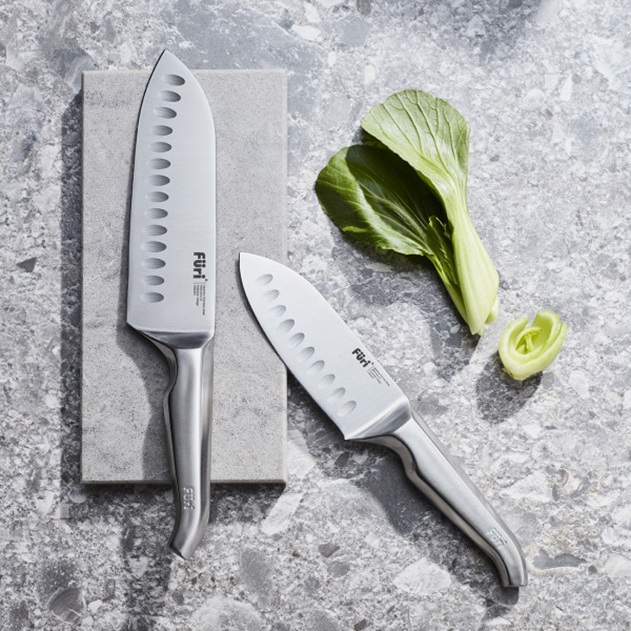
Every kitchen, from bustling professional setups to cosy home spaces, thrives on a core set of kitchen knives that handle a wide array of tasks with precision and ease. Therefore, master your meals with a high quality culinary knife set. While specialised knives have their place, a well-chosen trio can cover most culinary needs.
Chef’s Knife
Often referred to as the kitchen workhorse, the chef’s knife features a broad, tapered blade that excels in tasks such as chopping, slicing, and dicing. Its versatility makes it indispensable for functions ranging from mincing garlic to breaking down poultry. Typically measuring between 6 and 10 inches, it balances weight and manoeuvrability, accommodating both delicate and robust cutting tasks.
Paring Knife
The paring knife is a compact tool designed for precision. With a blade length of about 3 to 4 inches, it’s perfect for intricate tasks like peeling fruits, deveining shrimp, or creating garnishes. Its agility allows for detailed work that larger knives can’t achieve.
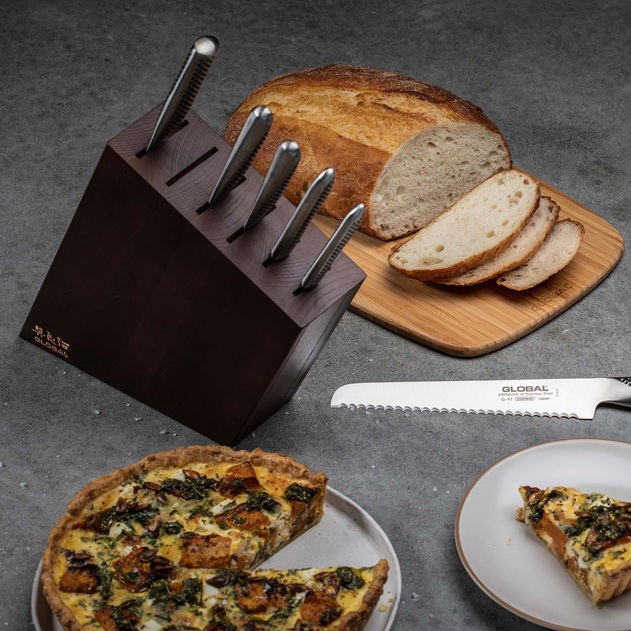
Serrated Bread Knife
A serrated bread knife features a long, scalloped edge that effortlessly slices through crusty loaves without compressing the soft interior. Beyond bread, it’s also effective for cutting cakes, tomatoes, and other items with a delicate exterior and soft interior.
Utility Knife
Filling the gap between a chef’s and paring knife, the utility knife typically measures between 4 and 7 inches. Its versatile design makes it suitable for tasks like slicing sandwiches, cutting fruits, or trimming meats.
Santoku Knife
Originating from Japan, the Santoku blade is characterised by its shorter, wider blade with a flat edge. It’s adept at chopping, dicing, and mincing, particularly vegetables and fish. Its design promotes a straight-down cutting motion, making it a favourite for precision tasks.
Blade Materials: Finding the Right Edge
The material of a knife blade greatly affects its performance, durability, and ease of maintenance, making it a critical consideration for any kitchen. One of the most common choices is stainless steel, prised for its resistance to rust and corrosion. Stainless steel blades are durable, maintain a sharp edge reasonably well, and are relatively low-maintenance, making them ideal for everyday kitchen use.
For those looking for superior sharpness and edge retention, high-carbon steel is a popular option. These blades can achieve an exceptionally fine edge, allowing precise cuts and clean slicing. However, high-carbon steel is more prone to rust and discolouration, so regular cleaning and careful storage are essential.
Ceramic blades offer another alternative, notable for their incredible hardness and long-lasting sharpness. They resist staining and corrosion and stay sharper for longer than many metal blades. However, ceramic knives are brittle and can chip or break if dropped or used improperly. Some modern knives combine hybrid materials, incorporating layered metals or coatings to balance sharpness, durability, and corrosion resistance.
Handle Design and Comfort
A knife handle is more than just a grip; it’s the connection between the cook and the blade, influencing both comfort and control. Ergonomic handles are designed to fit naturally in the hand, reducing fatigue during extended prep sessions. Curved contours, smooth edges, and balanced weight distribution allow for a secure, comfortable hold, which is essential for precision and safety.
Material choices also impact comfort and usability. Wooden handles provide a warm, tactile feel and a classic aesthetic, though they require proper care to prevent cracking or warping.
On the other hand, synthetic handles, such as polymer or resin composites, offer durability, moisture resistance, and a lightweight design, making them ideal for busy kitchens. Some knives feature textured or rubberised grips, which enhance slip resistance, particularly when hands are wet or oily.
The shape and balance of the handle affect cutting technique. A well-balanced knife allows the hand to guide the blade with minimal effort, improving accuracy and reducing strain on the wrist. Handles with rounded edges or subtle finger grooves provide additional support and comfort, ensuring consistent control for repetitive tasks.
Blade Edge Types
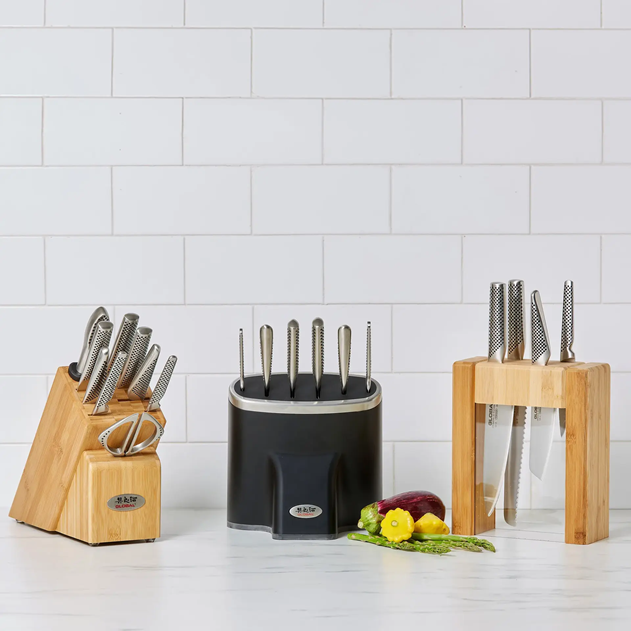
The type of blade edge on a knife determines how it interacts with ingredients and influences cutting performance. Straight edges are the most common, providing clean, precise cuts for vegetables, meats, and most everyday kitchen tasks. They are easy to sharpen and offer consistent control, making them ideal for general-purpose knives.
Serrated edges feature saw-like teeth that grip and slice through tougher or textured surfaces, such as bread, tomatoes, or citrus fruits, without crushing the interior. Serrated knives maintain cutting ability longer than straight edges but require specialised sharpening.
Granton or scalloped edges have small dimples along the blade, which reduce friction and prevent food from sticking. This design is particularly effective for slicing moist or sticky ingredients like cheese, smoked salmon, or thin cuts of meat.
About Author

valentina