Everything You Need to Know About Art Pens
Art pens are small and mighty tools used for drawing, sketching and lettering. They’re quite precise, making them perfect for fine art, comic art and design. Unlike some other art tools, they don’t need previous mixing or preparation. They also need a short time to dry, which cannot be said about oil paints, acrylic paints and watercolours.
What Are the Different Types of Art Pens?
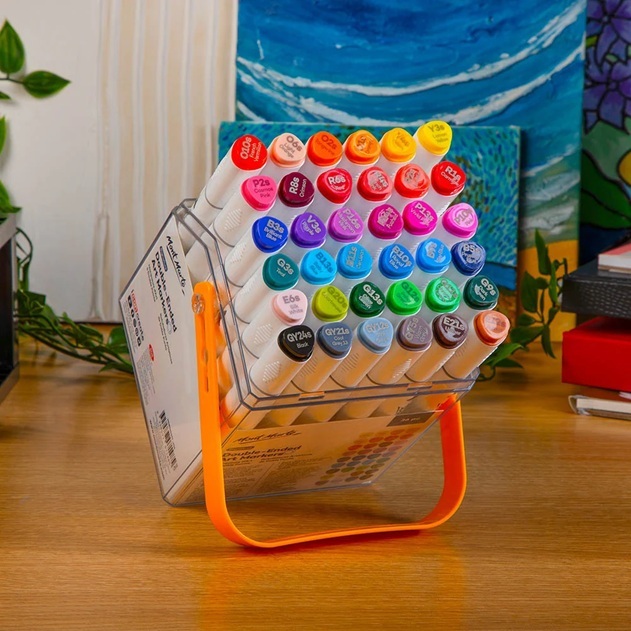
The choice of such pens is huge, giving you the chance to find the right art pen for your creative project. Whether you’re looking for an art pen to write and keep in your stationery, or you need one to add colour, illustrate or decorate, you have a variety of pens to choose from. All of them are designed to provide you with different effects, so finding the right one would be a piece of cake.
Sketching
Sketching, also known as drawing, pens and fineliners are among the most commonly used tools for sketching, aside from charcoal. Unlike regular pens, they have broader and more flexible nibs, allowing them to create thin lines without applying any pressure. By using firm pressure, you can make bolder strokes.
Aside from the regular types of sketching pens, you can also choose from a selection of waterproof models which are perfect for detailed pen-and-wash techniques. This means that you can use them in combination with watercolours or some other water-based tools without fear of smudging.
Markers
Unlike coloured pencils, marker pens offer bolder and more vibrant colours, making them a better choice for abstract and dynamic artwork. Using permanent and alcohol based ink means that they create more intense colours that resist fading.
Just like colouring pencils, markers also come in a selection of colours and tip options, which gives you the ability to find the right one for the right work. That being said, you can choose from:
- Fine tips – Perfect for details and outlines.
- Broad tips – Perfect for covering large areas in no time.
- Chisel tips – These offer both broad and fine lines from one marker.
- Brush tips – These are perfect for providing paint-like effects.
Alcohol
Alcohol markers seem the perfect pen tool for colour mixing. According to professionals, these markers work wonderfully on marker paper without bleeding. However, they can certainly bleed when applied on thinner papers, so make sure to test the chosen paper before proceeding with your work.
Some of the most common uses of these markers are for comic illustration, graphic design and concept art because they tend to dry quickly. Given the fact that their result looks quite neat and professional-looking, many artists combine them with other media for mixed techniques.
Sharpie
These markers are some of the most affordable options available on the market. Unlike alcohol markers, these markers are mainly used for more basic things like labelling, writing notes, over tapes, etc.
Brush
As the name suggests, these pens come in the form of a brush, providing greater control and expressiveness. Having a tip in the form of a brush makes it more flexible and responsive to pressure and angle, making it quite similar to holding and painting with a traditional painting brush.
These painting tools are perfect for illustration, expressive drawing, brush lettering, and some types of calligraphy.
Calligraphy
Calligraphy is an art of decorative handwriting, and it’s done with special pens. They feature flat and angled nibs deisgned to create thick and thin strokes depending on the pressure and direction. These modern versions of calligraphy pens feature cartridge systems for increased convenience and ease of use. Aside from being used for handwriting, you can also use them for adding texture and pattern to your artwork.
Specialty Pens
- Metallic – Coming in gold, silver and copper ink, these pens are great for adding shimmer and luxury.
- White Gel – Ideal for highlighting something or adding details.
- Fabric – As the name suggests, these are designed for textile art as they resist washing.
- Glass Paint – Great for glass and other non-porous materials like ceramics, windows, and mixed media projects.
Choosing the Right One
Purpose
Taking into account your purpose is the first and most essential thing to do, other than choosing the right type. As you already know, different types of pens are designed for different work, so considering your needs is crucial for making the right choice.
Surface
Not all pens work the same on specific papers. Some work better on specific surfaces than others; it’s crucial for you to choose a pen that won’t bleed on the designated surface.
Budget
The last but not least thing to consider is your budget. If you are a beginner, it would be best to choose a mid-range option, and upgrade as you become better or more confident in your drawing approach.
About Author

ben