
Children’s Swing Seats: How to Choose the Best One for Your Child
Spending time outdoors is an important part of every child’s development. Running around the park, playing in sandboxes, and going on daily walks can improve your child’s well-being and encourage them to explore the outdoors. However, with other family commitments, countless chores, and work responsibilities, finding time in your day to visit the park sometimes feels impossible.
But sometimes, you can bring the park to your home. Children’s swings are one of those timeless forms of entertainment that remain as popular as ever. Instead of taking your child to the park to enjoy the swings, you can simply bring them to the comfort of your own backyard.
With so many aspects of your child’s interests, needs, and behaviour to consider, choosing the perfect, safe children’s swing seats isn’t always as easy as it may seem. Let’s explore the benefits of outdoor play and swinging, as well as how to choose the right swing seats for your child.
Different Types of Swing Seats
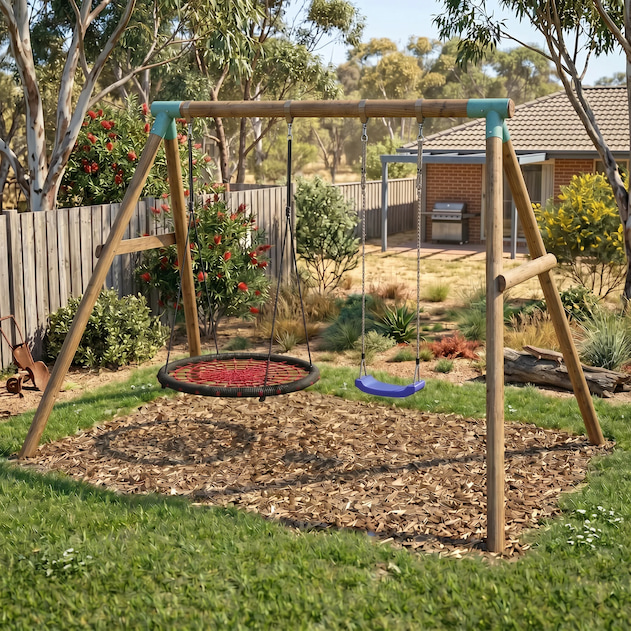
Once you decide to add swings to your yard, you also need to consider which type of seat would best suit your child’s needs. With several designs and styles available, finding the right one can make all the difference. Here are a few popular options to help make your decision a little easier.
- Sling Swing: Sling swings, also known as belt swings, are the traditional swing designs you see at most playgrounds. They are affordable and easy to use; however, they aren’t recommended for very young children because they don’t have a backrest for support. If your child is over five years old, chances are they can maintain good balance and have a steady grip, making this type of swing a solid choice.
- Bucket Swing: If you have a toddler who enjoys the motion of swinging back and forth, a bucket seat is a great way for them to enjoy swinging safely. Bucket swings are enclosed, fully supportive seats with two holes for the legs, a supportive backrest, and a front bar that helps prevent your child from tipping over. These swings are smaller and ideal for young children who haven’t yet developed adequate core strength.
- Nest Swings: Of all the different types of swings, nest swings are among the most fun. They are circular and feature a netted or webbed surface. They are large enough to accommodate multiple children, and their spacious design allows children to sit or lie down while swinging rather than having to maintain an upright position throughout.
- Flat Swings: Wooden flat swings are another traditional type of swing. They generally consist of a single, straight slab of wood. What makes them a popular choice is their sturdy construction and ability to support plenty of weight, making them suitable for older children as well.
How to Choose the Right One for Your Child
When choosing a swing seat for your child, you can’t just think about the type of swing you’re getting. There are several factors that contribute to making a swing safe, comfortable, and entertaining enough for your child to enjoy for extended periods. To help you make the right choice, here are a few important factors to consider.
Material Considerations
Swing seats come in a variety of materials, each with its own pros and cons. When choosing your child’s next swing, here are a few solid options:
- Rubber: Rubber is a flexible and durable material. It’s common for sling swings to be made of rubber because its flexibility makes it easy to create the distinctive crescent-shaped seat. Rubber is also comfortable to sit on and can withstand regular outdoor use.
- Plastic: Plastic is affordable but generally tends to be less durable than rubber. Its colour can fade over time, and the swing itself may develop cracks, which can pose a safety risk. Plastic is one of the most common materials used for bucket swings because it’s lightweight, easy to clean, and comfortable for young children.
- Wood: If you want a classic, durable swing, you might want to stick to more traditional wooden models. Although wood is sturdy and environmentally friendly, it can splinter with time and regular use, potentially leading to injuries. Make sure to regularly inspect wooden seats for cracks, splinters, and signs of wear.
- Nylon: If you decide to get a nest swing, chances are its webbing will be made of polyester or nylon. These synthetic materials are affordable, durable, and designed to withstand regular outdoor use. They can also resist fading from direct sunlight and exposure to rain, making them a practical choice for netted swings.
Age Recommendations
Not every swing is made for every child. Younger children need more support, both in the back and the front, to ensure they don’t tip over and potentially injure themselves. If your child is still a baby or a toddler under the age of five, bucket swings are generally the safest choice because they offer full support. If your child is over the age of five, you have more options. Older children generally have a stronger grip and better core strength, meaning they can keep themselves upright even without additional support.
Wooden and netted swings often don’t have strict age limits, as they tend to be sturdier than other models. They can accommodate different age groups and are suitable for adults as well as children. So, if you have a child older than five but also enjoy swinging from time to time, you can get a swing seat you’ll both enjoy.
Weight Capacity
Another factor you should always check when choosing a swing seat is its intended weight capacity. Make sure to check the manufacturer’s website or read the manual that comes with the swing to find this information. Not every child is the same, and this applies to weight as well. This is also why age limits aren’t the only factor that determines whether a swing seat is suitable for your child. To ensure a safe and comfortable swinging experience, make sure the seat is appropriate for both your child’s age and current weight. Since a swing is a long-term investment, it’s always a good idea to plan ahead and consider your child’s growth too.
Conclusion
In conclusion, choosing new children’s swing seats is no easy task. You always have to think ahead and keep your child’s growth in mind, as children truly grow up in the blink of an eye. With so many materials, types, and features to consider, carefully consider all these factors that contribute to a good swing seat, and always keep your child’s interests, preferences, and well-being in mind.
After all, the goal is to find something they can enjoy for years while providing them with a safe and comfortable place for playtime.
About Author

valentina


